Heritage
Ahoi Ashtami & Maternal Heirlooms: Woven Memories Across Three Generations
On Ahoi Ashtami, mothers celebrate their children. Explore the emotional and sartorial significance of wearing vintage family heirlooms passed from dadi to poti.
Share this story
Tuesday, 27 October 2026, marks Ahoi Ashtami, observed eight days before Diwali. On this sacred day, mothers fast and pray for the health, prosperity, and longevity of their children, creating a painted depiction of Ahoi Mata and stars on the courtyard wall.
The Saree as an Emotional Heirloom
In Indian culture, an authentic handloom saree is never an individual’s temporary possession; it is a repository of maternal memories. A grandmother’s heavy Kanjivaram or a mother’s wedding Banarasi carries emotional history woven into every weft.
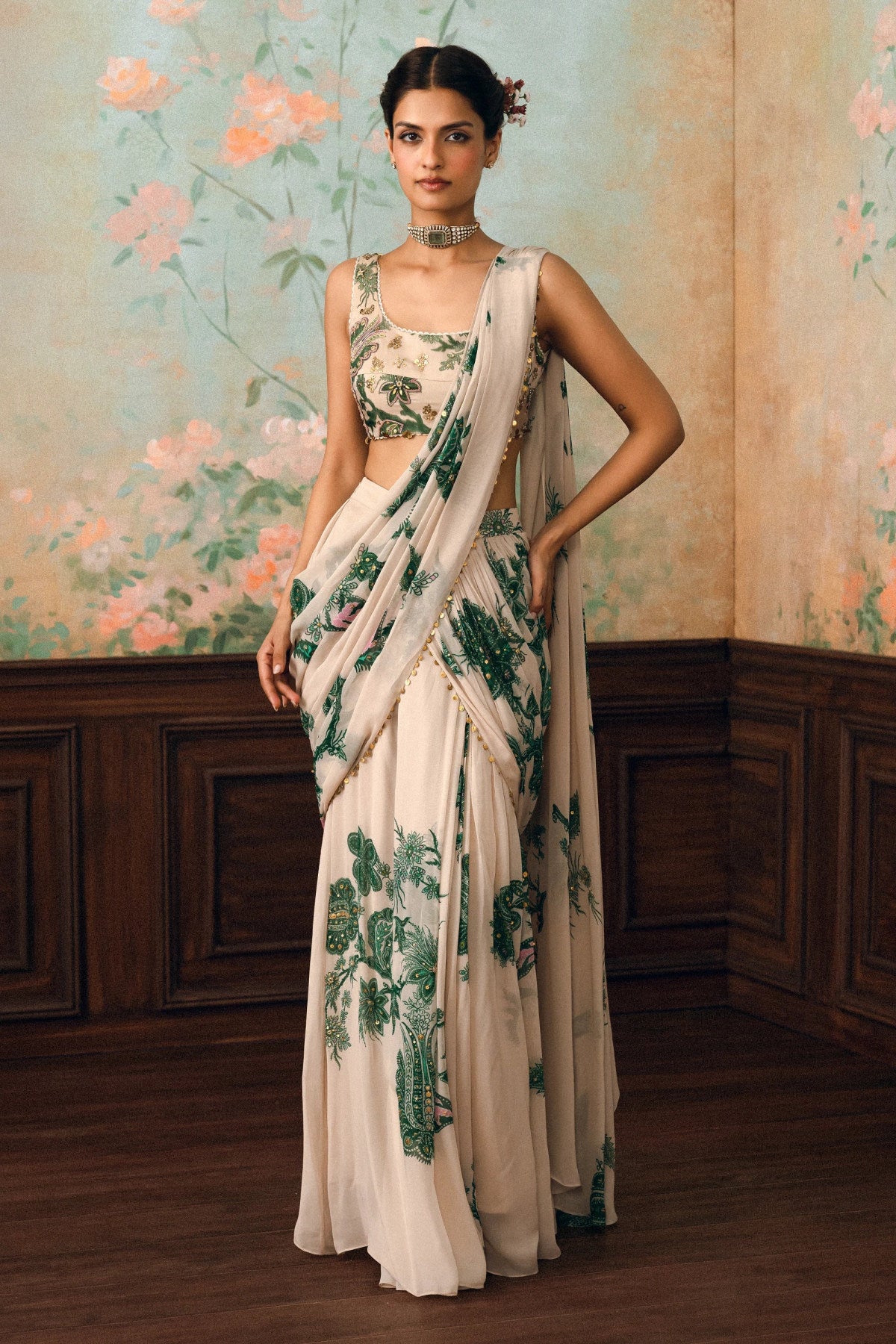
Wearing an heirloom saree on Ahoi Ashtami pays tribute to maternal lineage. When styled thoughtfully with modern sensibilities, a 30-year-old drape breathes new life while preserving ancestral connection.
How to Refresh Vintage Heirlooms
- Pair with a Contemporary Blouse: Swap the vintage round-neck blouse for a sleek boat-neck, sleeveless raw silk, or contrasting velvet design.
- Light Steaming and Airing: Never press high heat directly onto vintage metallic zari. Use gentle vertical steaming and soft cotton pressing cloths.
- Modern Layering: Add a contemporary gold belt (kamarbandh) or wear minimalist jewelry to let the vintage patina of the saree take center stage.
Begin Your Family Heirloom Today
Invest in handlooms crafted to last for generations with our Rajgharana Shikargah Banarasi Saree and our pure Kanjivaram Silk Collections.
Pass it on